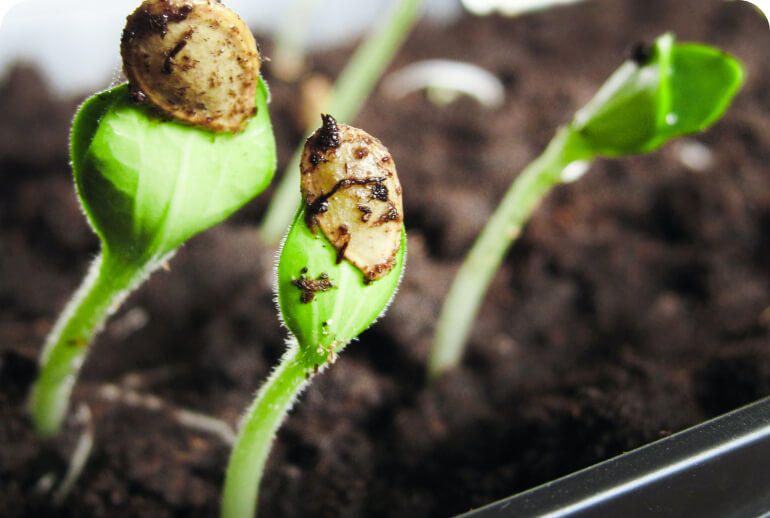
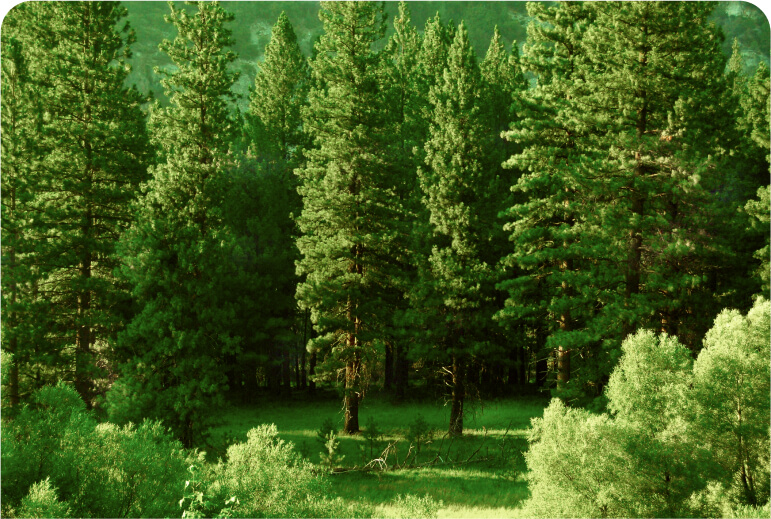
Tree planting has become the default symbol of climate action. It is tangible. You can count seedlings. You can take a before and after photo. You can set a goal to plant a billion trees.
But ecosystems are not just collections of trees. They are complex, living networks of soils, fungi, insects, herbivores, predators, and water cycles. If you only focus on the tree count, you often miss the goal that actually matters. That goal is creating a self sustaining system.
This is why reforestation and rewilding are related, but they are not interchangeable. Understanding the difference is critical for anyone investing in nature based solutions.
What is the Difference Between Reforestation and Rewilding?
To understand where your money or effort is going, you need to define the terms.
Reforestation is the process of replanting trees in areas where forests have been cut down or degraded. When done correctly with native species, it helps sequester carbon and restore habitats. However, it is often treated as a numbers game focused on stem count rather than ecological health.
Rewilding is a comprehensive approach to restoration. It focuses on restoring natural processes, such as food webs, grazing patterns, and water cycles, so that nature can take care of itself. It is less about managing the landscape and more about removing the pressures that stop nature from recovering.
Ecosystem Restoration: This is the broader umbrella term used by the UN. It includes both active planting and passive restoration. It recognizes that sometimes the best thing to do is plant a tree, and sometimes the best thing to do is step back and let the forest regenerate on its own.
3 Reasons Why "More Trees" Does Not Equal "More Nature"
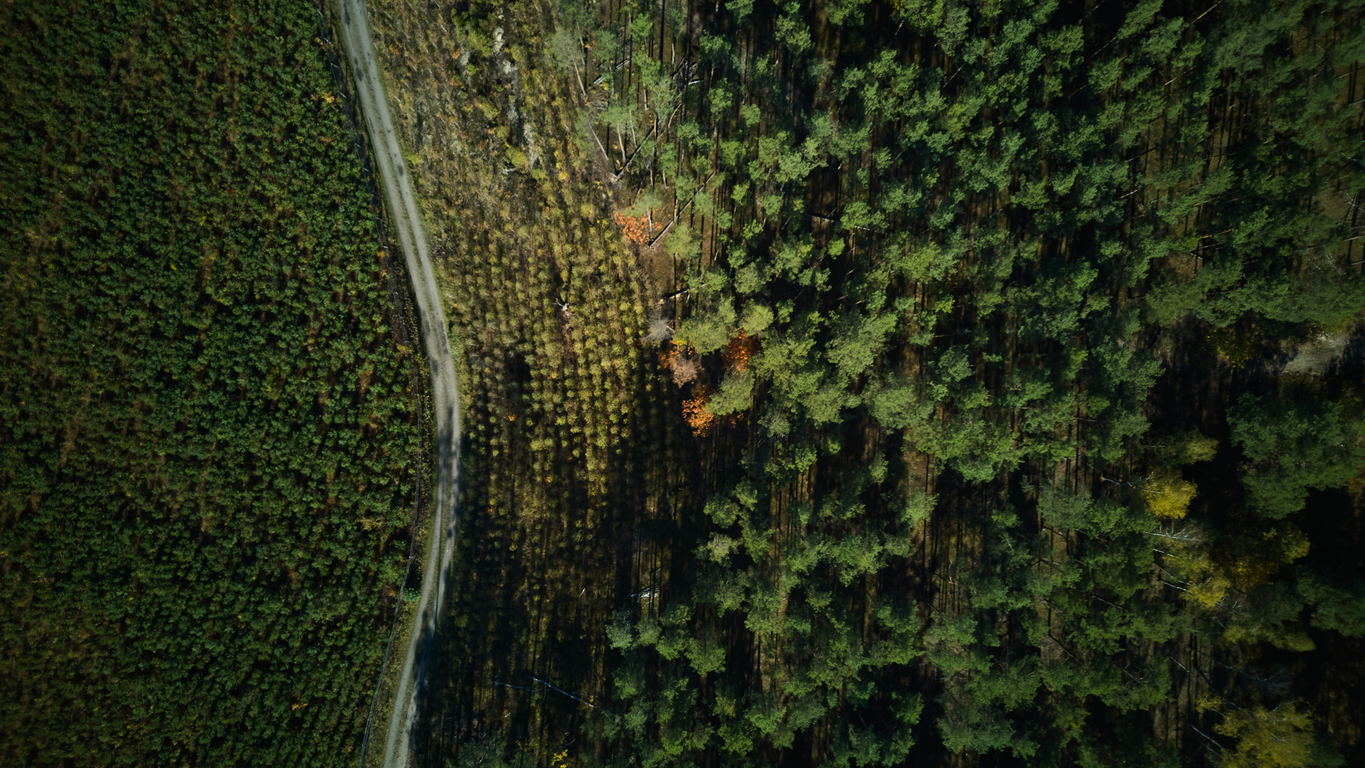
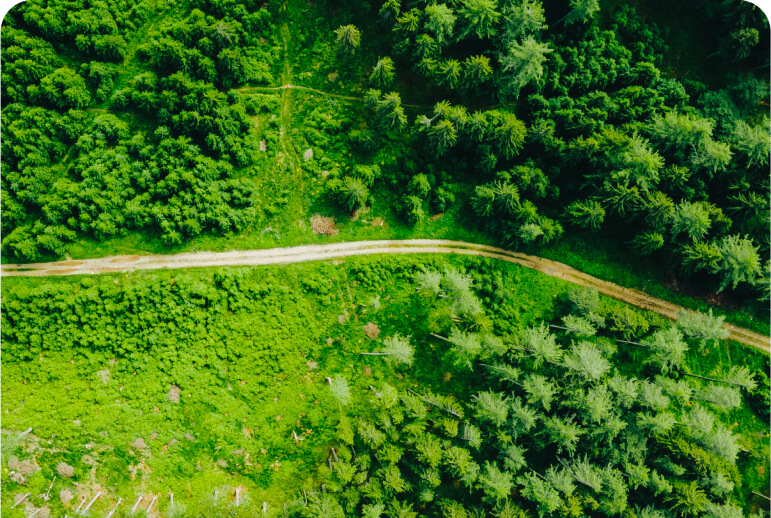
1. Biodiversity requires complexity, not monocultures: A tree planted in the wrong place, or a plantation of a single species, creates a green landscape that functions poorly for wildlife. Nature requires diversity to survive. If a reforestation project prioritizes fast growing non native timber over native complexity, you end up with more biomass but less life.
2. Bad planting can damage existing ecosystems: Tree planting is not a silver bullet. Recent studies in journals like Nature Plants have highlighted that inappropriate reforestation can lead to low survival rates, conflict with local communities, and damage to non forest ecosystems like grasslands or peatlands. In some specific scenarios, planting trees on light reflecting snow or grass can actually increase net warming. Context matters.
3. Rewilding prioritizes function over metrics: Rewilding starts with different questions. Instead of asking how many trees can we fit here, it asks different questions. What ecological processes are broken? Are key species missing? How do we fix the water cycle?
Sometimes the answer is planting. But often, the answer is removing fences, stopping overgrazing, or reintroducing a keystone species.
A Checklist for High Quality Restoration
If you are evaluating a nature project, use this checklist to ensure you are supporting a restoration strategy, not just a marketing campaign.
Conclusion: Choose the Outcome, Not Just the Tool
Reforestation is a powerful tool. But it is just a tool.
Rewilding is a broader strategy. It challenges us to look beyond the tree count and focus on the health of the entire living system. If we want more nature, we must measure and fund biodiversity and ecosystem function, not just the number of seedlings in the ground.




.svg)

.svg)