If you walk into a modern home or open a new browser tab, the goal is usually the same: declutter. We love clean lines. We love organization. We associate "tidy" with "good," "productive," and "safe."
But when we take that obsession with tidiness outdoors, we become agents of destruction.
For centuries, humans have treated nature like a garden to be weeded. We clear away dead logs, we trim back the "scrub," and we mow the grass until it looks like a green carpet. It looks neat. It looks managed.
But to an ecosystem, "tidy" looks like death.
A manicured lawn or a tidy park is often what ecologists call a "green desert." It might look lush, but it supports a fraction of the life that a wilder, messier space would.
In our quest for control, we often remove the very things that drive the biological engine. We prioritize the scenery over the system.
Real rewilding isn't about creating a picture-perfect landscape. It’s about stepping back and letting nature get messy again. Here is why we need to embrace the chaos.
One of the first things humans do in a "managed" forest is clear away fallen trees and dead branches. It looks cleaner.
But in a healthy forest, a dead tree is often more alive than a living one.
Dead wood is a buffet for the ecosystem. It is the home of saproxylic beetles, rare fungi, mosses, and lichens. It provides nesting holes for birds and bats. As it rots, it slowly releases nutrients back into the soil, feeding the next generation of trees. When we "clean up" a forest, we are starving it.
We tend to look at brambles, thorns, and scrubby thickets as weeds; something to be hacked back to make way for the "majestic" trees.
But without the scrub, you often don't get the trees.
In the wild, thorny scrub acts as natural barbed wire. It protects young saplings from grazing animals like deer. A baby oak tree growing in the middle of a neat field gets eaten in minutes. A baby oak growing inside a messy, thorny thicket survives to become a giant.
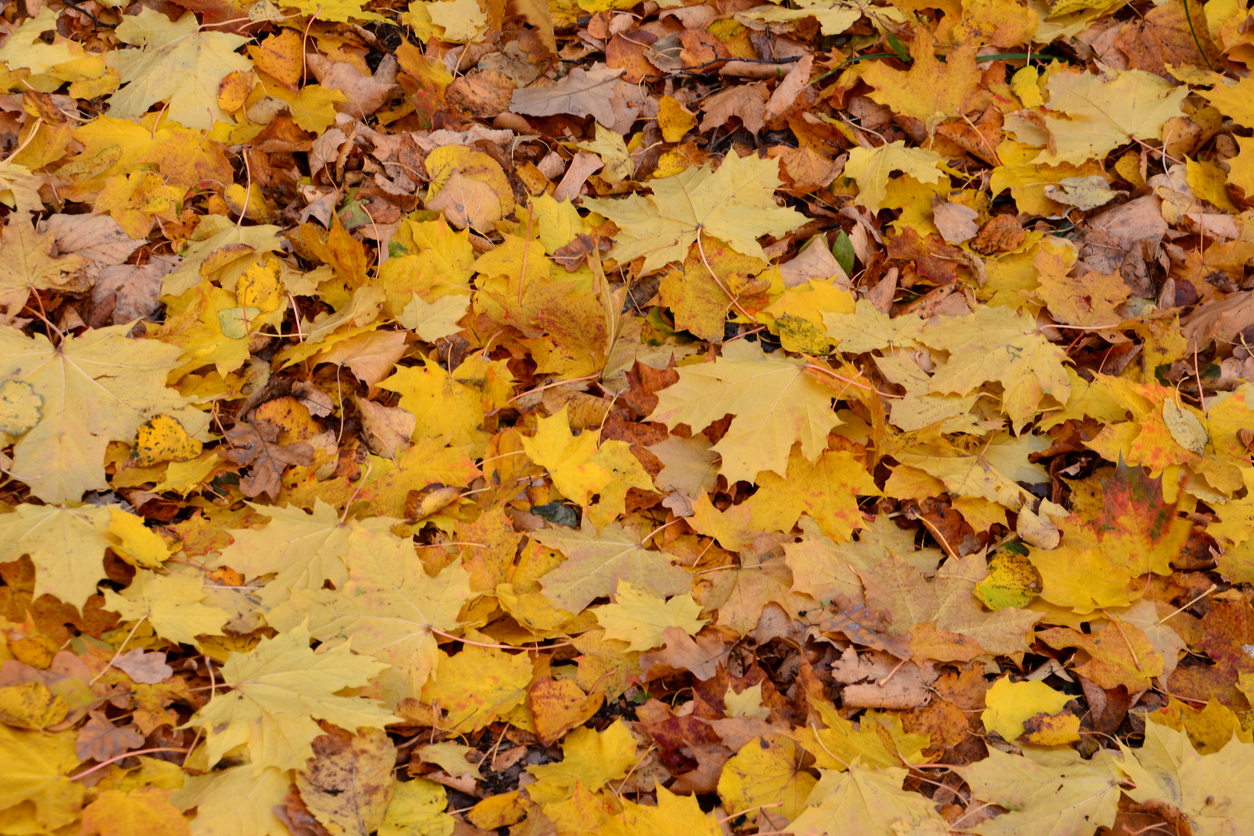
Every autumn, we spend millions of hours (and gallons of fuel) blowing leaves off the ground. We treat them like trash.
But that layer of leaf litter is an insulating blanket for the soil. It protects the root systems of plants from freezing, holds moisture in the ground, and provides a habitat for the insects that form the base of the food chain.
Embracing the "mess" is hard. It goes against our cultural programming. It requires us to look at a rotting log or a tangle of weeds and see beauty instead of neglect.
This is the core philosophy behind the projects Earthly Insight funds. We don't look for projects that plant trees in straight rows like soldiers. We support rewilding initiatives that focus on restoring the processes of nature like the grazing, the water flow, and yes, the decay.
We build software to help you organize your digital life. But when it comes to the planet, let’s leave the organization at the door.
This season, do the easiest thing possible for the planet: Do less. Leave the leaves. Let the grass grow. Let the wood rot.
Let it be messy.



.svg)

.svg)